%2b(686%2bx%2b676%2bpx)-226f7.png?format=1500w)

WE BELIEVE THAT WHEN A WOMAN REGULATEs her MIND + EMOTIONS + NERVOUS SYSTEM
she LEADs a Healthier happier LIfe
THE 3 PROVEN PATHWAYS
Choose the support that meets you where you are

WEIGHT TRAINING +
-
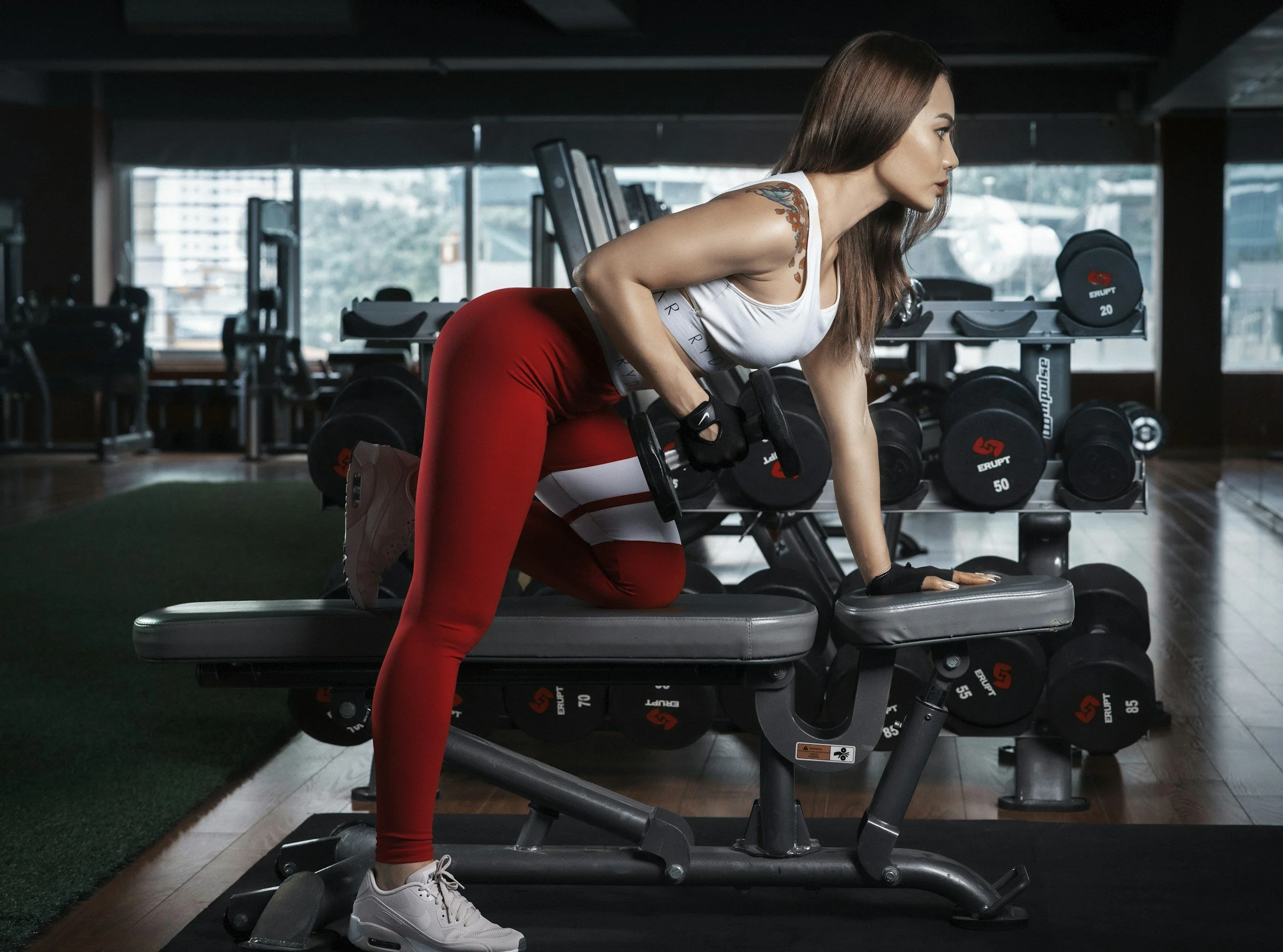
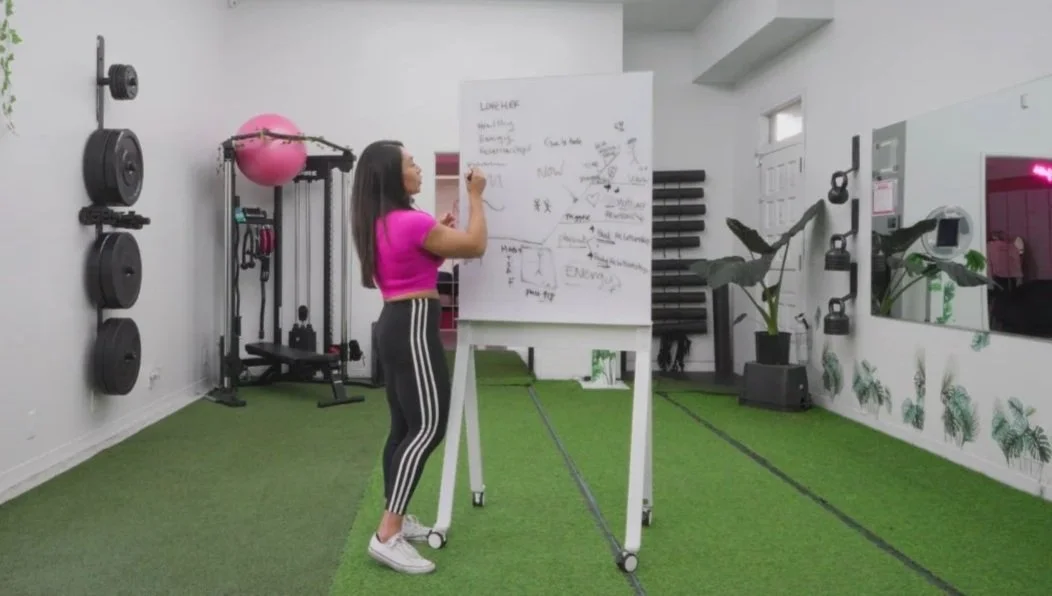
Our gym is more than just a place to work out—it's a community where women of all fitness levels come together to support each other. Whether you're new to fitness or a seasoned athlete, you'll find a welcoming atmosphere free of judgment, where you can focus on your personal growth and well-being.
Our certified trainers lead small groups 1:6, providing individualized guidance and feedback to ensure you get the most out of every session. You'll receive tailored workouts that align with your fitness level, goals, and preferences, all while enjoying the camaraderie and support of other women on similar journeys.
-
Choose your 1:1 trainer on your own schedule and frequency
NUTRITION ACCOUNTABILITY +
-
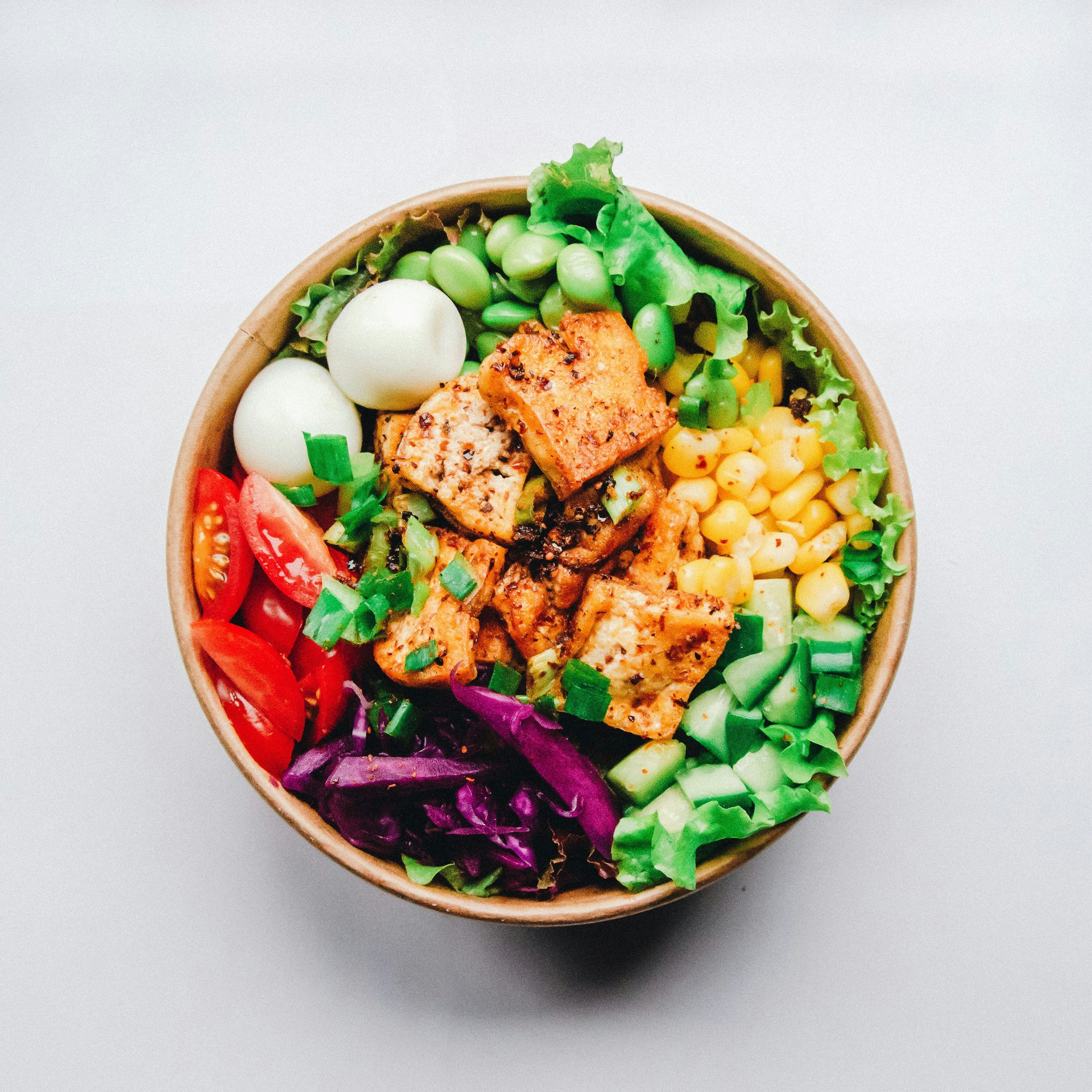
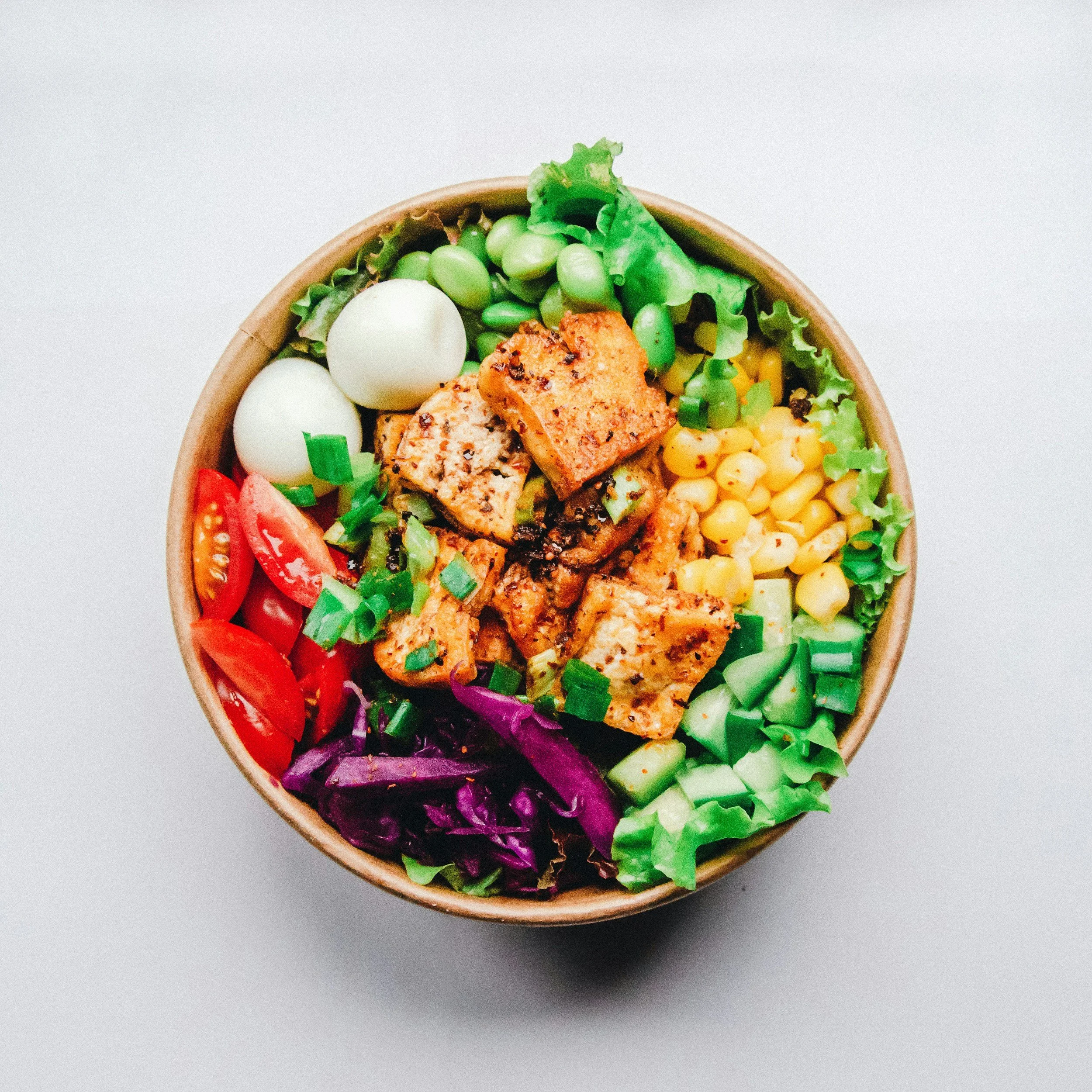
Nourish your body and fuel your goals with a balanced, sustainable approach to food. Our coaching helps you create healthy habits that support energy, hormones, and overall well-being—without restriction or guilt.
Personalize Meal Plan
Cardio Regimen
Weekly Cheek-Ins
-
Our gym is more than just a place to work out—it's a community where women of all paths are doing their best to build a healthier identity. Join our group or 1:1 life coaching program to a healthy you.
COMMUNITY
-
MEAL PREP PARTY: Every 4 week LOVEHER community gets together for nutrition education + best practices the women enjoy with their food.
INTENTIONS IN MOTION : Every 4 weeks our community gets together for a Sunday Sunrise jog/hike to set intentions for the next 4 weeks of mindful transformation <3
-
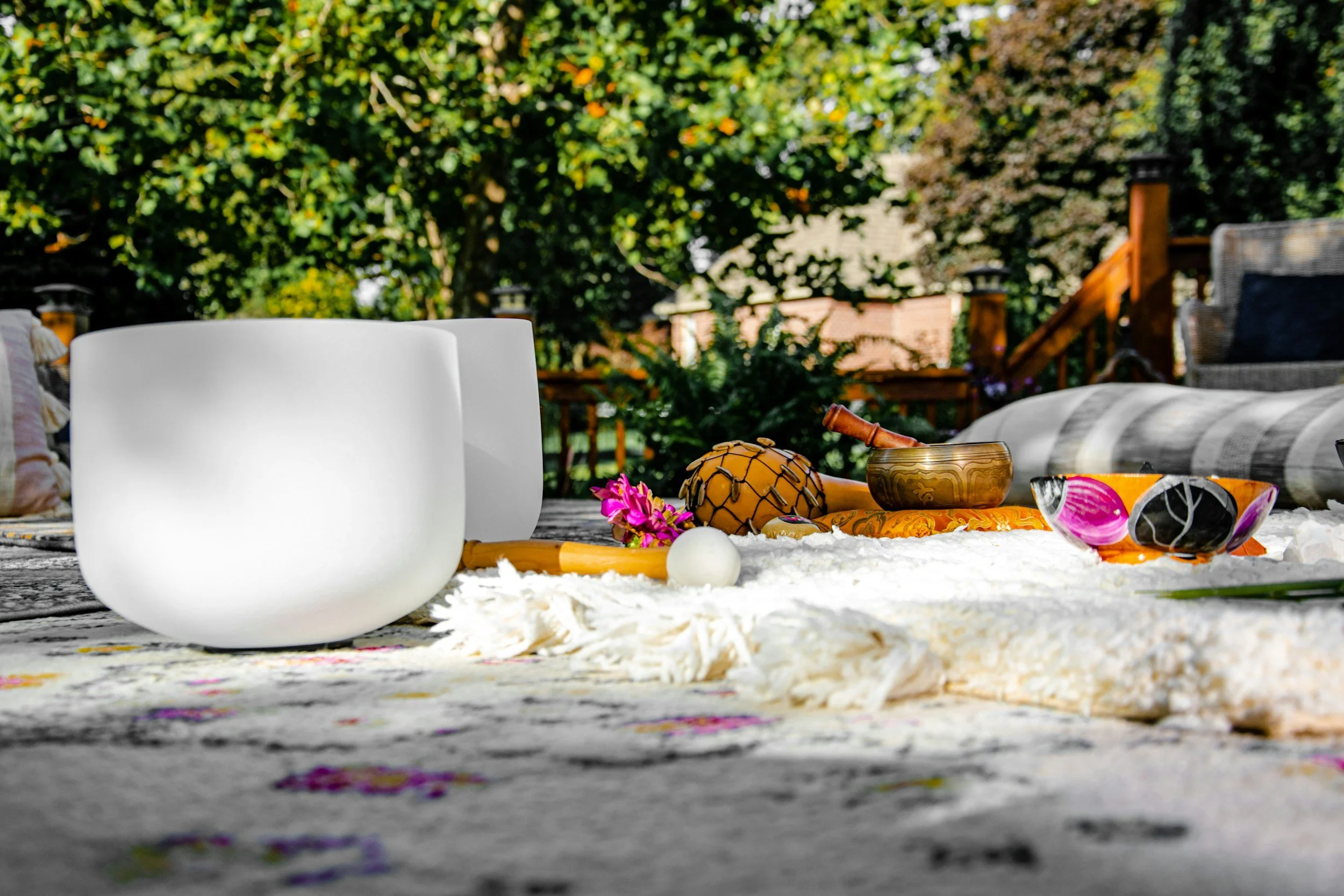
Experience a transformative journey through our holistic retreats and events, designed exclusively for women. Each gathering is a restorative space to regulate your central nervous system, reconnect with your authentic self, and realign your mind, body, and heart. Our retreats combine intentional nervous system practices with healing holistic modalities—creating a nurturing environment for deep renewal, personal growth, and meaningful community connection.
Symptoms of dysregulation
loveher HOLISTIC MODALITIES
-
![]()
Training
-
![]()
Nutrition
-
![]()
breath work
-
![]()
supplemens
-
![]()
Art
-
![]()
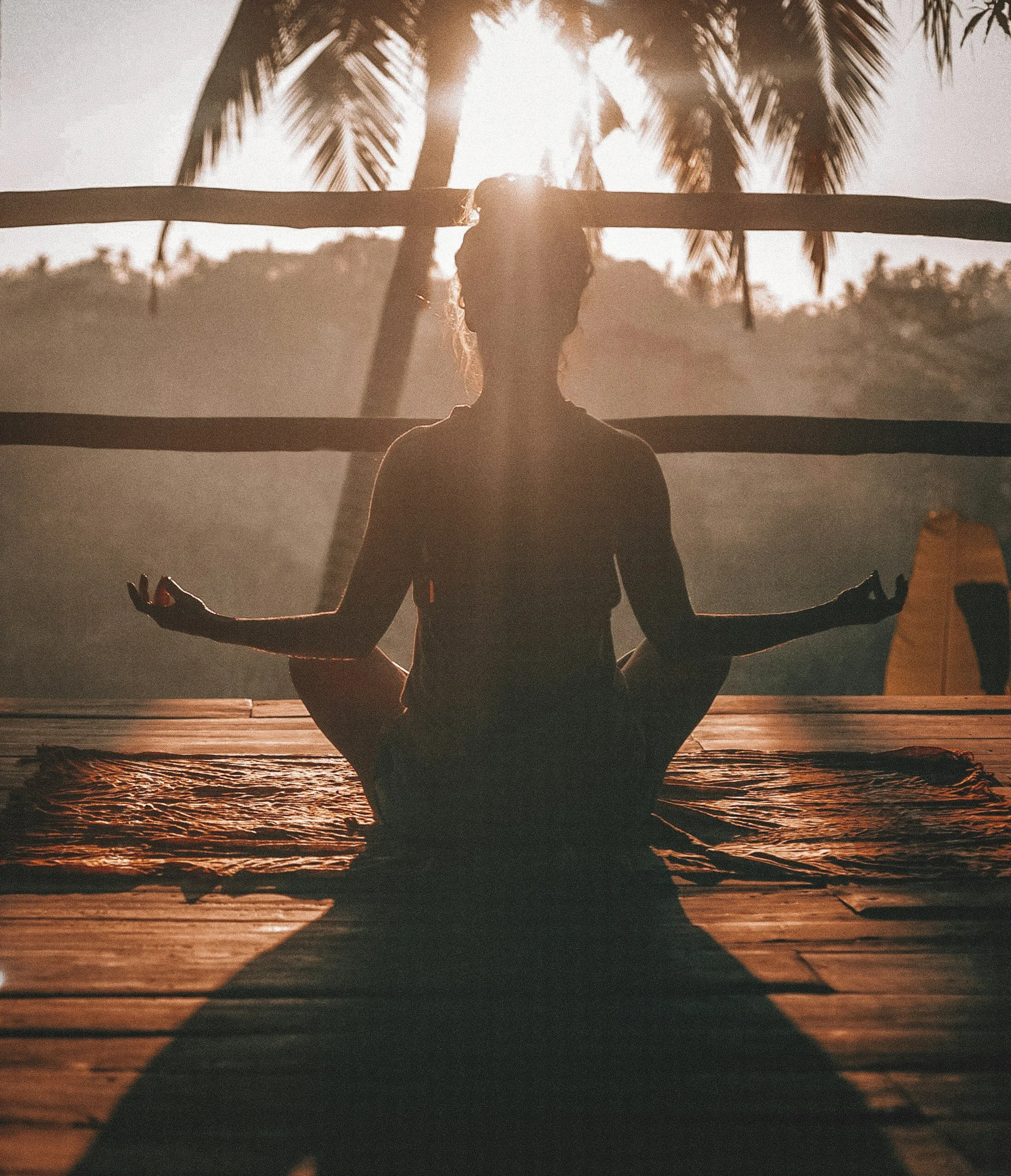
meditation
-
![]()
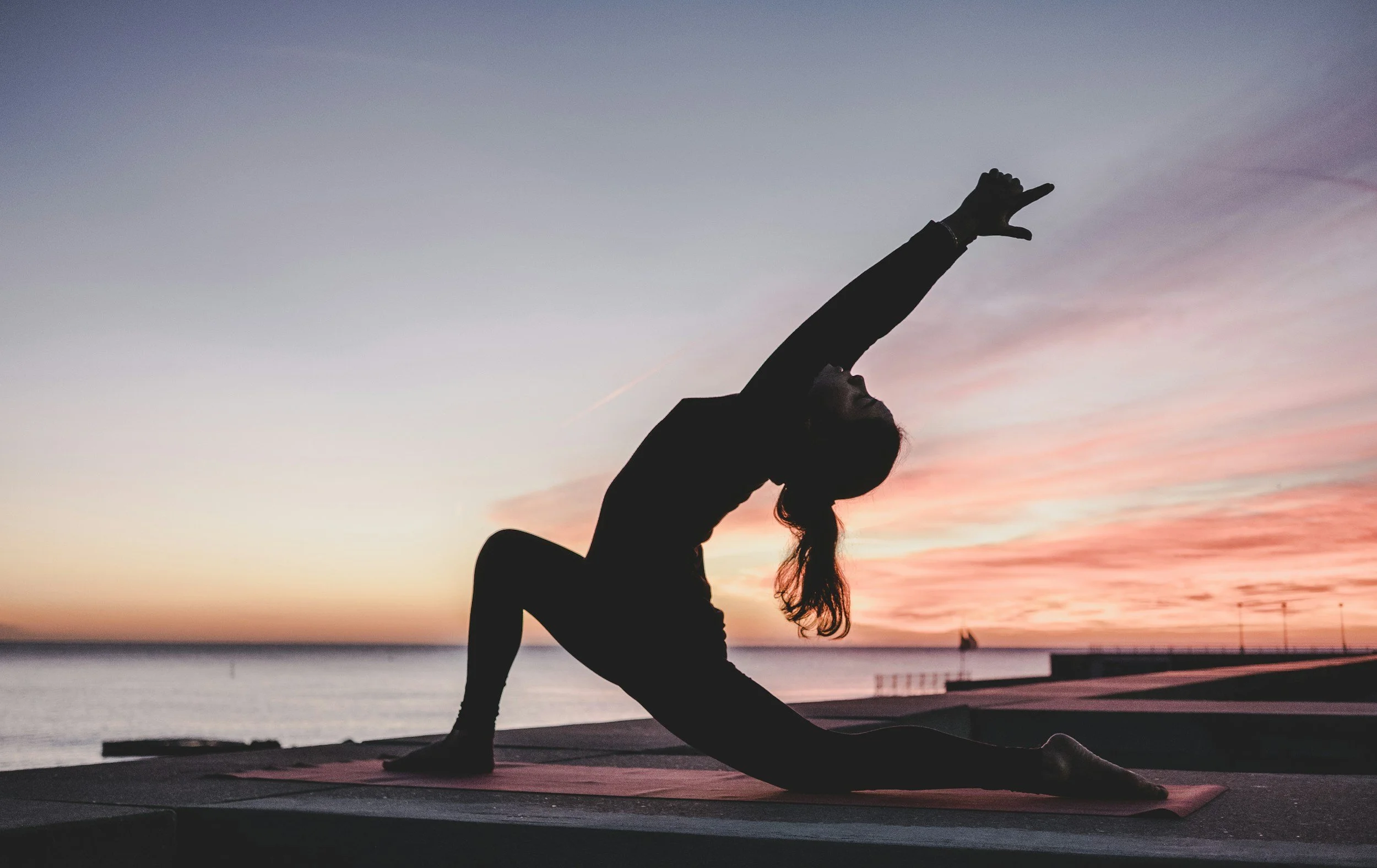
yoga
-
![]()
grounding
-
![]()
nature hikes
-
![]()
Cold plunges
-
![]()
womens circles
-
![]()
education
-
![]()
music + dance
-
![]()
RED LIGHT
-
![]()
SLEEP
-
![]()
GUT
-
![]()
GRATITUDE
-
![]()
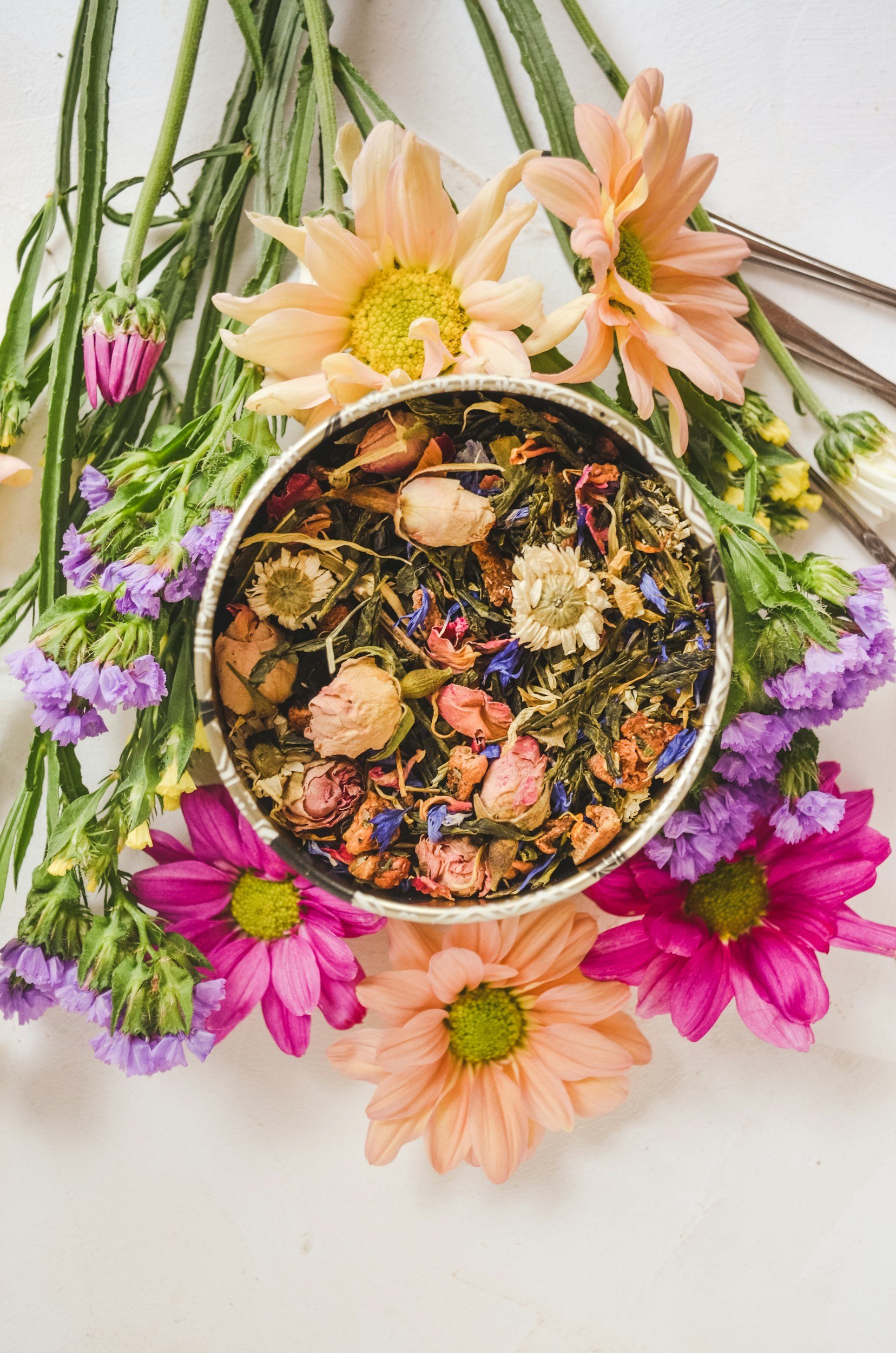
HERBS
-
![]()
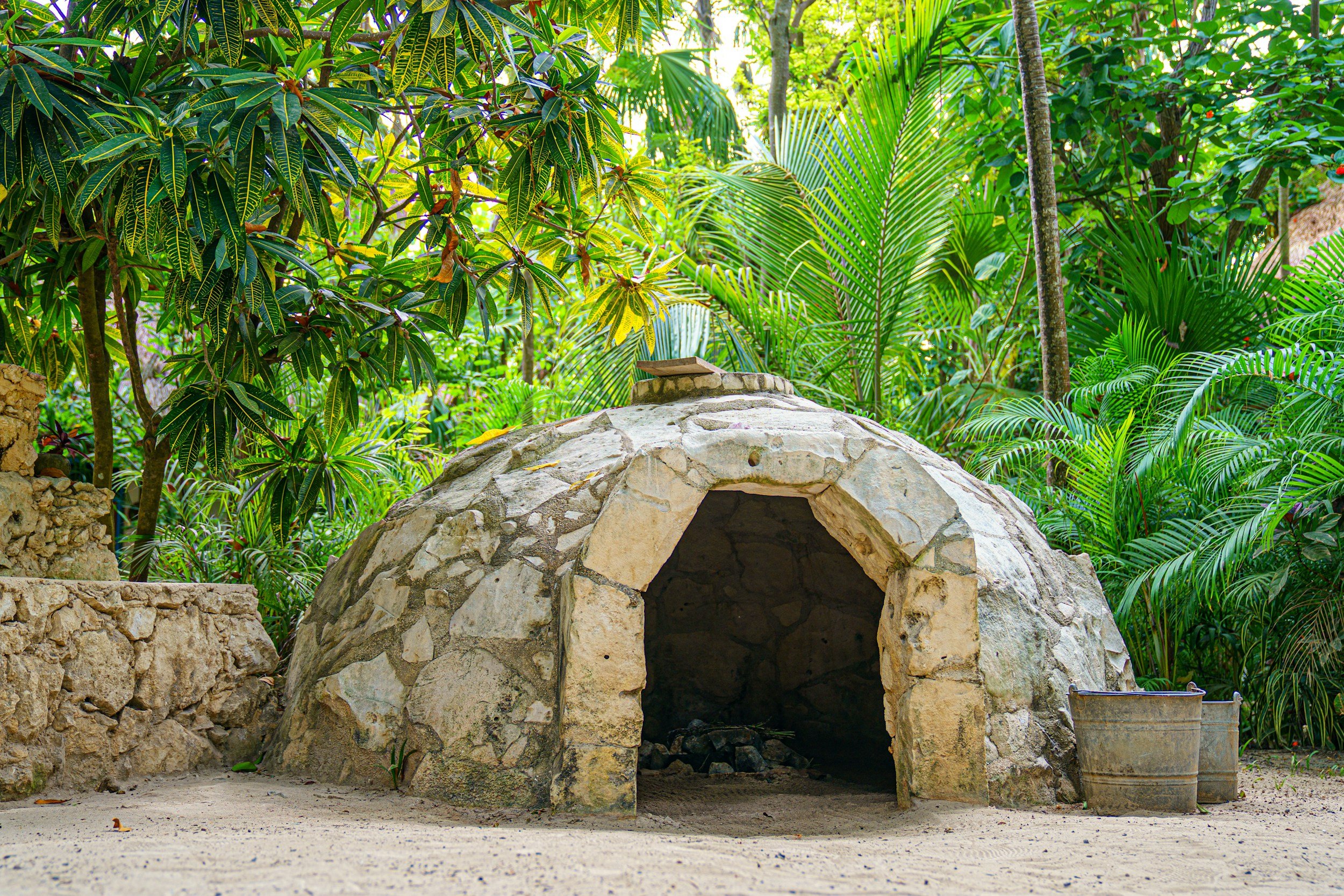
METAZCAL
-
![]()
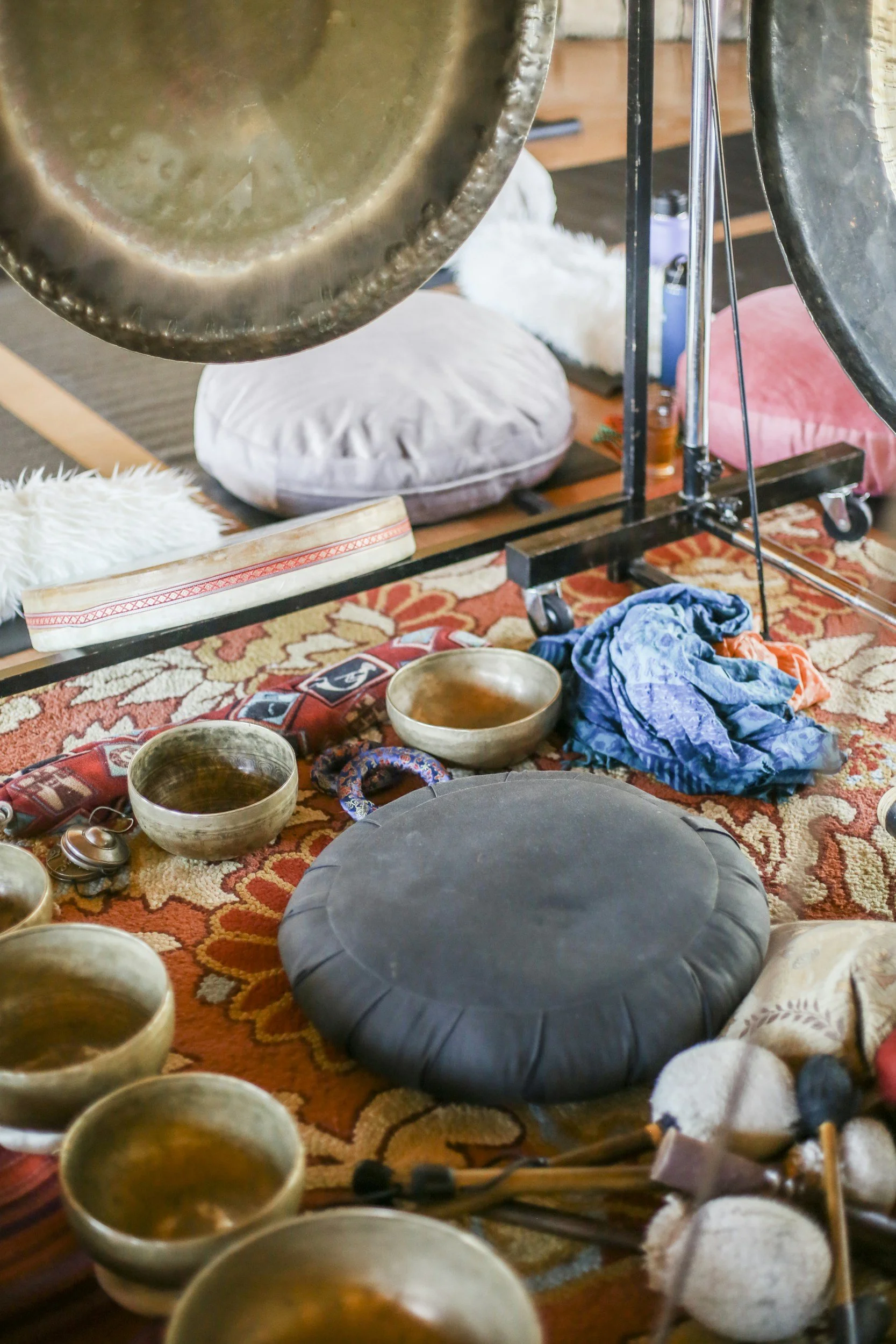
Sound baths












CASE STUDIES
Google reviews
-
I started working out at Love Her Gym back in December, and from day one, Coach Dee and her team have been incredibly welcoming and supportive. I had never lifted weights before, so I was definitely nervous, but they’ve been so patient and helpful every step of the way. Coach Dee is truly an inspiration—her energy and passion are contagious! It’s so easy to stay motivated and actually look forward to working out when the environment is this positive, fun, and empowering. I’m so grateful I found this gym. Highly recommend it to anyone looking for a supportive fitness community!
Jessica Zazueta
-
I can’t say enough great things about LoveHer Gym! From the moment I walked in, I felt welcomed and motivated. The vibe here is incredibly positive, and it’s clear that Coach Dee and her girls genuinely care about creating an encouraging environment for all. What I loved most was how comfortable I felt. There’s no judgment, no pressure—just a community of women supporting each other. It made such a difference in my motivation and consistency. Coach really took a holistic approach to fitness. Not only does she offer weekly circuits that can be scaled, but she also provides fantastic nutrition program. The gals are knowledgeable and approachable, offering tips and personalized advice that make a big difference.
Jenna Gutierrez
-
Stellar coaches, program, and community of support! LOVEHER is different because you gain the knowledge and skills to make long term habits for a healthier and positive life overall. We know there are no quick fixes. Instead, there is an investment of hard work, time, and resources. The results are worth it and long term.
Ginger Nocera